|
Historic
Locust Grove
Louisville, Kentucky
Locust
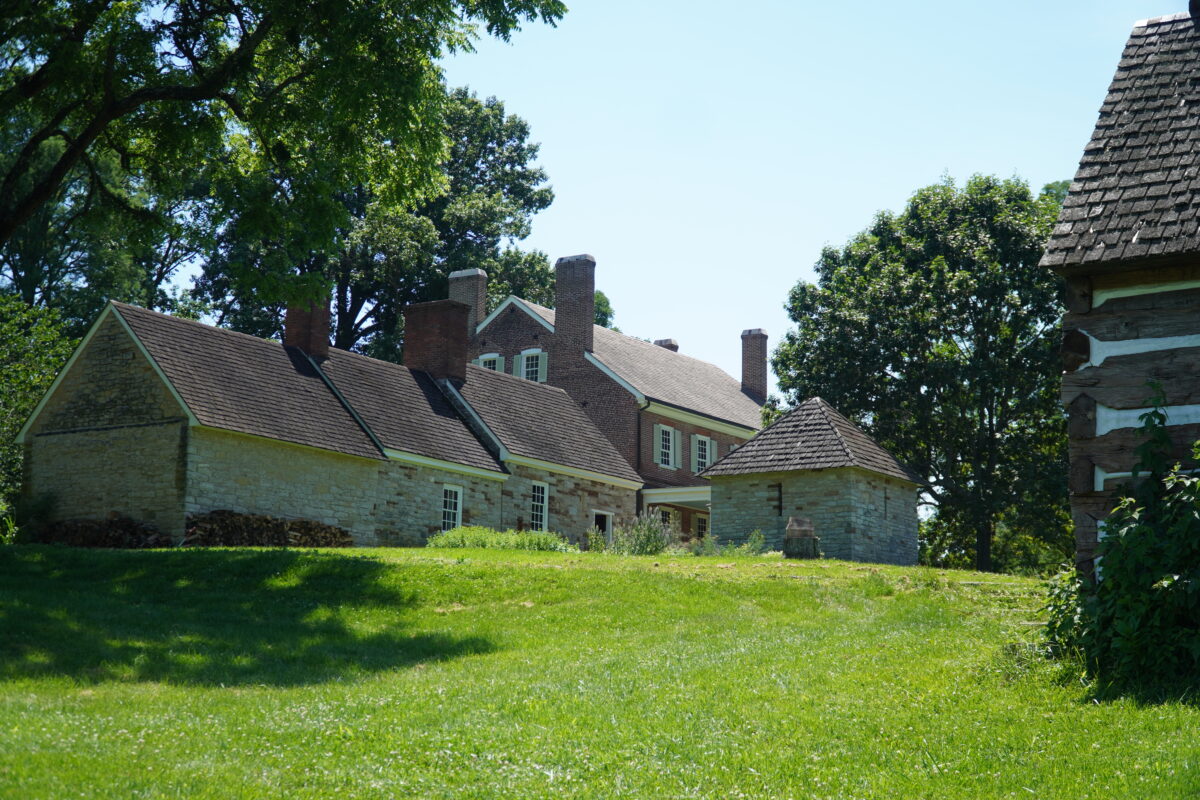
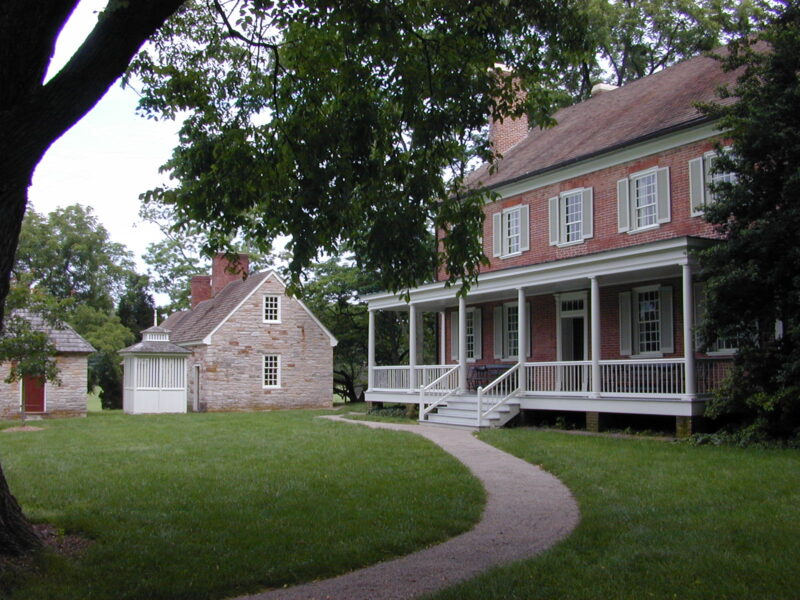
Grove is a National Historic Landmark on 55 acres
of the original 694 acre farm established by William
and Lucy Clark Croghan in 1790. William Croghan
was the brother-in-law and surveying partner of
George Rogers Clark, founder of Louisville and
Revolutionary War hero. George Rogers Clark spent
the last nine years of his life at Locust Grove,
from 1809 until his death in 1818.
Locust Grove also hosted three U.S. Presidents,
Monroe, Jackson and Taylor, and was a stopping
point for famed explorers Meriwether Lewis and
William Clark upon their return from their expedition
to the Pacific. In addition, Locust Grove was
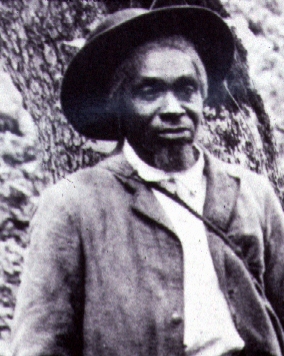
home to numerous enslaved African-Americans who
lived and worked on the farm and contributed to
its success. Locust Grove tells the story of George
Rogers Clark, early Kentucky history, western
expansion and everyday life on the frontier.
Locust Grove is owned by Louisville
Metro Government and operated by Historic
Locust Grove, Inc.
Learn
more about Locust Grove

Locust
Grove is accredited by the American Association
of Museums
Locust Grove is a National
Historic Landmark
|
    
Locust Grove's
new gallery building and permanent exhibit opens
to the public - FREE
admission all day
Open 10:00am-4:30pm - Activities
and refreshments from 10:00am-3:00pm - Ceremony
12:00 noon
Celebrate
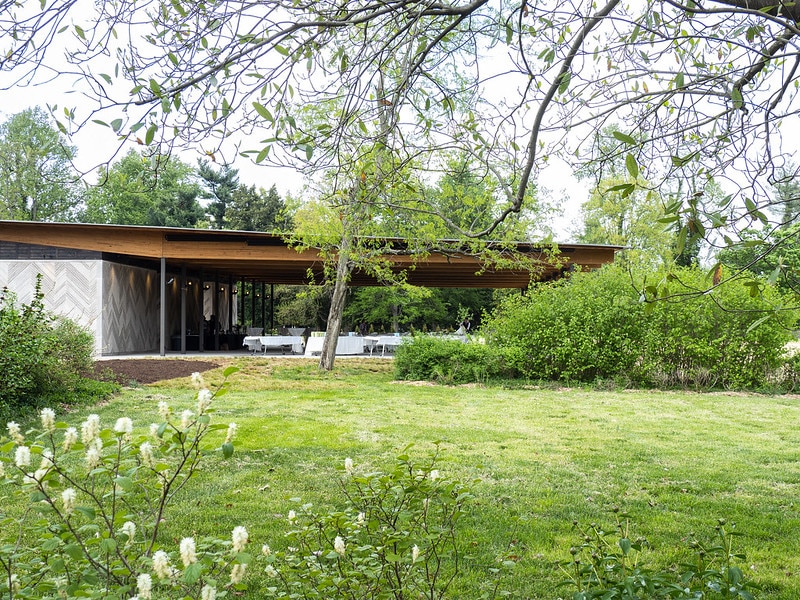
with Historic Locust Grove as we open our new
1200 square foot gallery space and permanent exhibit
in our Visitors Center. The building expands the
area available for interpretation of the American
Revolution in the West and the people who settled
and built this region. The exhibit also focuses
on the surveying work of George Rogers Clark,
Louisville’s founder, and his brother-in-law,
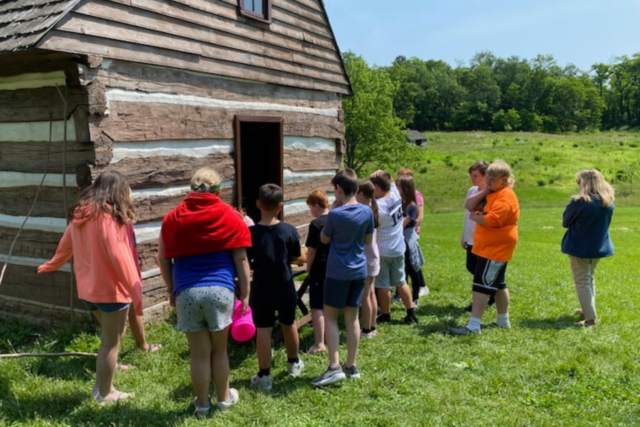
William Croghan, who built Locust Grove. A recreated
surveyors’ office exhibit in the 1810 log
building is incorporated into the new exhibition,
which is called “A Country Worth Defending:
Land & Family in Early Kentucky.”
Other
sections of the exhibit look at the interactions
of the Croghan family and their enslaved workers
in the daily life of an early Kentucky farm.
The new building wing was designed
by JRA Architects of Louisville, and the exhibit
was created by the award-winning local firm Solid
Light. Funds for the project were raised by Historic
Locust Grove, Inc., a private non-profit organization,
but the building will be owned by the people of
Louisville through Metro Parks. The final cost
of the building, which includes collections storage
space and offices as well as the gallery, was
nearly $900,000.
On July 4th, the site is open free
to the public. Bring the entire family! We’ll
have military re-enactors from George Rogers Clark’s
company, other costumed folk in character as people
from the site’s history, and music of the
era, along with light refreshments (drinks and
desserts) for sale.
At
noon, join us at the porch of the 1790s house
for a short ceremony commemorating Gen. George
Rogers Clark and the soldiers of the American
Revolution who fought to win the land west of
the Appalachian mountains.
The new gallery will continue to
be open during regular museum hours beginning
July 5th.
Besides being Independence Day,
July 4th was chosen for the public opening of
the exhibit to commemorate the anniversary of
the day that George Rogers Clark’s Illinois
Regiment captured the British fort at Kaskaskia,
Illinois, in 1778. This victory was crucial to
secure the Northwest Territory – Illinois,
Indiana, Ohio. Wisconsin, and Michigan - for the
new nation.
Historic Locust Grove Members
PREVIEW - The Gallery
will be open for members ONLY on Thursday, July
3rd, 10 am to 4:30 pm, for a free preview.
Attention,
Jane Austen fans: A
Jane Austen Society of North America regional
chapter has been formed at Locust Grove. New members
welcome.
Upcoming meetings in
the auditorium:
May 18, 2:00 pm
Jane Austen in Bath
For more information,
email Bonny Wise at wise@locustgrove.org
or call Locust Grove at 502-897-9845.
Visit
the
Kentucky Tourism and the Derby
Region websites for more information about
visiting the area.
|