
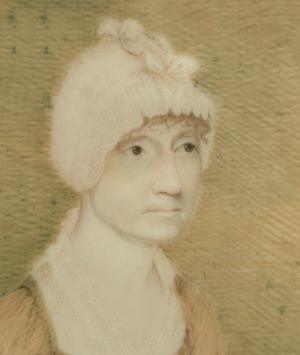
Lucy Croghan Clark was born in Virginia in 1765, the second daughter of John & Ann Rogers Clark and younger sister of George Rogers Clark. In 1785, her family made the journey to the Kentucky Territory, where they settled their home and farm at Mulberry Hill. Lucy met William Croghan through his connection with her brothers, and they were married on July 14, 1789.
The following year, William Croghan purchased nearly all of the land that would become Locust Grove. He used enslaved laborers and artisans to construct their home, which was completed in approximately 1795. William and Lucy’s family would eventually grow to include a total of 9 children, though one died in infancy.
William and Lucy enslaved over fifty men, women, and children at Locust Grove and benefited from their labor for years to come.
Although their husbands were the legal “owners” of the people they enslaved, white women also played an integral role in “managing” the people they enslaved on their farms and plantations. Lucy was no different.
Much of Lucy’s life was defined by the physical demands of creating a family. There were 15 years between the birth of her first child and her last. Assuming Lucy carried all of her pregnancies to term, she would have been pregnant for approximately 81 months of her life. This was in a time when childbirth was anything but easy; In colonial America, it was difficult and dangerous, often performed without physicians.
After her husband died in 1822, Lucy spent many years living in Washington, D.C. with her daughter, Ann Jesup. In 1834, she returned to Locust Grove permanently and died four years later.
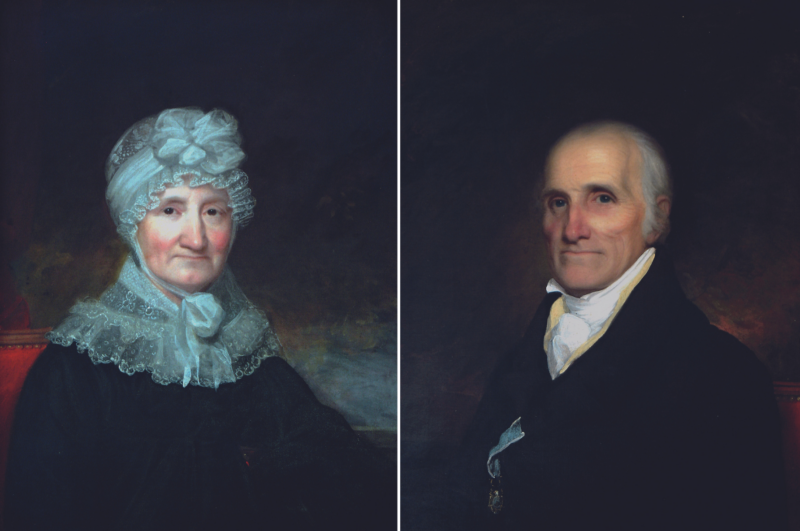
Lucy Clark Croghan passed as a powerful, motherly, and resilient woman of Locust Grove. She was a creator of many generations, surviving 9 births and raising 8 children to adulthood. Her life serves as a testament to the sheer physical endurance required of women on the American Frontier.
Lucy Croghan Clark was born in Virginia in 1765, the second daughter of John & Ann Rogers Clark and younger sister of George Rogers Clark. In 1785, her family made the journey to the Kentucky Territory, where they settled their home and farm at Mulberry Hill. Lucy met William Croghan through his connection with her brothers, and they were married on July 14, 1789.
The following year, William Croghan purchased nearly all of the land that would become Locust Grove. He used enslaved laborers and artisans to construct their home, which was completed in approximately 1795. William and Lucy’s family would eventually grow to include a total of 9 children, though one child died in infancy.
William and Lucy enslaved over fifty men, women, and children at Locust Grove and benefited from their labor for years to come.
Although their husbands were the legal “owners” of the people they enslaved, white women also played an integral role in “managing” the people they enslaved on their farms and plantations. Lucy was no different.
For much of Lucy’s life was defined by the physical demands of creating a family. There were 15 years between the birth of her first child and her last. Assuming Lucy carried all of her pregnancies to term, she would have been pregnant for approximately 81 months of her life. This was in a time when childbirth was anything but easy; In colonial America, it was difficult and dangerous, often performed without physicians.
After her husband’s death in 1822, Lucy spent many years living in Washington, D.C. with her daughter, Ann Jesup. In 1834, she returned to Locust Grove permanently and died four years later.
Lucy Clark Croghan passed as a powerful, motherly, and resilient woman of Locust Grove.
She was a creator of many generations, surviving 9 births and raising 8 children to adulthood. Her life serves as a testament to the sheer physical endurance required of women on the American Frontier.